Our Process
-
We start by learning about you, your goals, and what matters most in your home. This phase ensures clear alignment around vision, budget, expectations, and fit before moving forward.
-
Pre-construction is where the details are carefully planned before anything is built. We finalize design coordination, pricing, schedules, and technical decisions to ensure a smooth and predictable construction process.
-
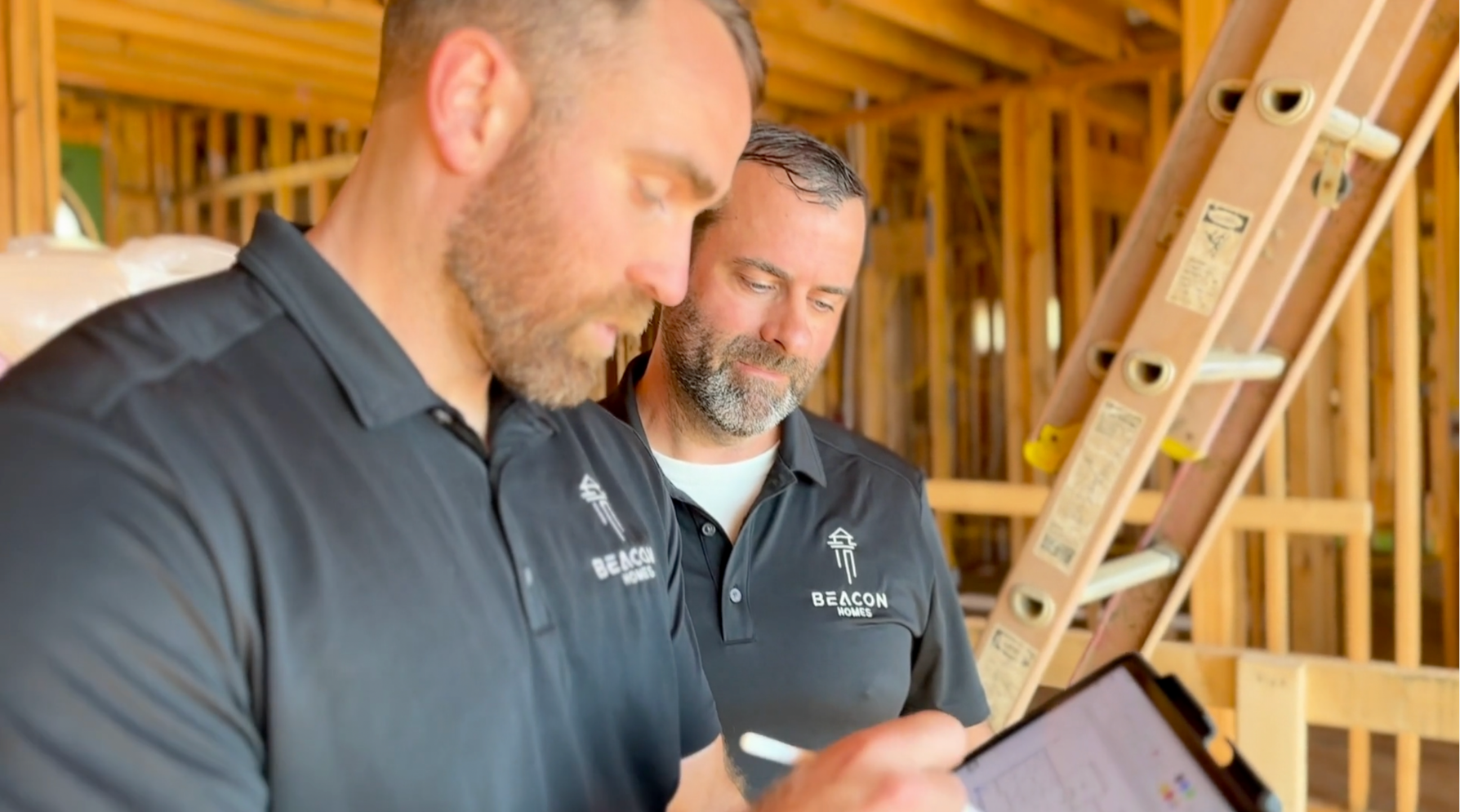
Our team manages the day-to-day building of your home with a focus on quality, craftsmanship, and performance. We coordinate trades, oversee the jobsite, and keep you informed as your home takes shape.
-
Once your home is complete, we focus on final walkthroughs, system education, and long-term support. We remain available after move-in to ensure your home continues to perform as designed.
FAQs
-
The cost to build a custom home varies widely based on site conditions, design complexity, material selections, and performance goals. Because every home we build is fully custom, we don’t rely on generic cost-per-square-foot numbers. After an initial Discovery meeting, we’re able to provide high-level budget ranges and refine pricing as design and scope become more defined.
-
The overall timeline typically ranges from 12 to 24 months, including pre-construction planning and construction. The exact duration depends on project size, complexity, site conditions, permitting, and design decisions. Smaller or more straightforward projects may fall on the shorter end of that range, while larger or highly customized homes require additional time.
-
We build using a cost-plus model. This approach provides full transparency, allows clients to see actual costs and invoices, and keeps everyone aligned around quality, performance, and long-term value rather than cutting corners to meet a fixed price.
-
Both play critical roles, and collaboration early in the process leads to the best outcomes. We’re often most helpful when involved early—whether before selecting an architect or during schematic design—so design decisions, performance goals, and budget expectations can be aligned from the start.

Featured Products: